How to Choose the Right CNC Machining Process for Your Needs?

Time:2026-04-11 Author:Liam
0%

Choosing the right CNC machining process can be a daunting task. With numerous options available, it’s crucial to make an informed decision. As industry expert John Smith, a leading CNC engineer, notes, "Understanding your specific needs is key to choosing the right CNC machining process." This statement encapsulates the essence of successful machining.

In today’s competitive market, precision and efficiency matter. Each CNC process serves distinct requirements. For instance, some processes excel in large-scale production, while others are tailored for intricate designs. Knowing your project’s demands will significantly influence your choice.

When navigating these options, consider material types, part complexity, and the desired finish. Each factor plays a critical role in effectiveness. However, many overlook these aspects. Reflecting on your project goals can help you avoid common pitfalls. Remember, selecting the right process isn’t always straightforward. It requires careful thought and expertise. Ultimately, understanding how to choose the right CNC machining process can lead to superior results in manufacturing.
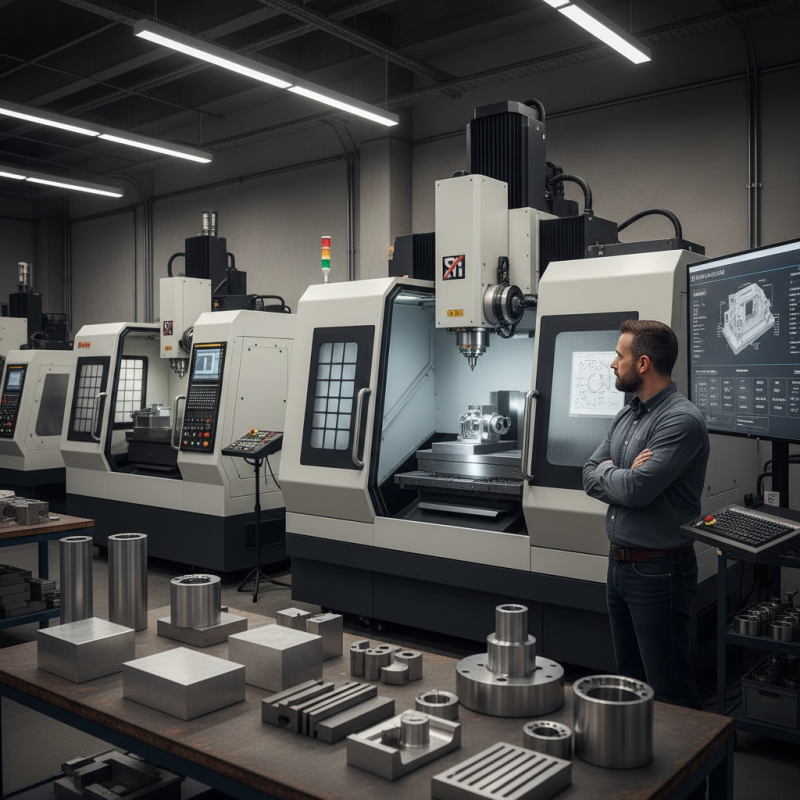
How to Choose the Right CNC Machining Process for Your Needs?

Understanding Your Project Requirements for CNC Machining

Choosing the right CNC machining process begins with understanding your project requirements. Different projects have unique specifications. Materials, dimensions, and tolerances play crucial roles in this decision. For instance, aluminum might require a different approach than harder metals like titanium. Knowing the material influences the tools and techniques used.

Consider the complexity of your design. Intricate shapes may demand advanced machining methods like 5-axis machining. Simpler parts may be effectively produced with 3-axis machining. Evaluating your budget is also important. Advanced techniques often come with higher costs. Balancing quality and expenses can be a tricky task.

Time constraints are another crucial factor. Each machining process has its lead times. If your project is urgent, quick methods like CNC milling may be better. Reflect on how these factors intertwine with your project goals. Missing one detail can lead to costly delays or poor results. Understanding your needs thoroughly ensures you choose the ideal CNC machining process.

Identifying Different Types of CNC Machining Processes

When choosing a CNC machining process, understanding the different types available is crucial. CNC milling is one of the most common methods. It uses rotating cutters to remove material from a workpiece. This process is versatile and suitable for complex geometries. It's often used for creating parts in various industries, from automotive to aerospace.

Another process is CNC turning, which is ideal for cylindrical parts. In this technique, the workpiece rotates while a stationary cutter removes material. This method is precise for components that require a smooth finish and tight tolerances. Each process has unique advantages but can also present challenges. For instance, milling can be time-consuming, while turning may not handle intricate shapes well.

Consider laser cutting as well. This method uses a focused beam to cut through materials. It's accurate but may not be suitable for thicker materials. Evaluating the specific requirements of your project is essential. An ideal CNC process should balance precision, material type, and production volume. Reflect on your needs as you explore these options; the right choice can significantly impact quality and cost.

Evaluating Material Compatibility with CNC Processes

Choosing the right CNC machining process requires careful evaluation of material compatibility. Different materials respond uniquely to machining techniques. For instance, aluminum is relatively easy to machine, while titanium demands more specialized equipment due to its toughness and lower thermal conductivity. A study by the Manufacturing Institute noted that approximately 80% of CNC machining issues arise from improper material selection.

Understanding material properties is crucial. Hardness, tensile strength, and thermal stability all influence the choice of CNC process. Steel, for example, can endure higher temperatures, making it suitable for high-speed machining. Conversely, softer plastics like PVC may require lower cutting speeds to avoid melting. According to a report from the National Institute of Standards and Technology, selecting an incompatible material can lead to increased costs, defective parts, and wasted time.

Reflecting on previous projects offers valuable insights. Not all materials are created equal. For projects involving composites, issues like delamination can surface if not appropriately handled. Evaluating the specific characteristics of each material can enhance the machining process, optimizing performance and product quality. This thoughtful approach can prevent common mishaps and foster better results in CNC machining endeavors.

How to Choose the Right CNC Machining Process for Your Needs? - Evaluating Material Compatibility with CNC Processes

Material CNC Process Machining Characteristics Applications
Aluminum CNC Milling Excellent machinability, lightweight Aerospace components, automotive parts
Steel CNC Turning High strength, good wear resistance Machinery components, structural parts
Plastic CNC Routing Easy to machine, can be colorful Consumer products, prototypes
Titanium CNC Machining Strong, resistant to corrosion Medical implants, aerospace applications
Copper CNC Drilling Good electrical conductivity, easy to machine Electrical components, wiring

Assessing Cost and Time Considerations in CNC Machining

When considering CNC machining, cost and time are crucial factors. Different processes vary in their expenses and lead times. For instance, turning can be less expensive but may take more time for complex geometries. Conversely, 3D printing often comes with higher initial costs but faster production for intricate parts. Understanding these dynamics helps manufacturers choose wisely.

Evaluating your specific needs can uncover unique challenges. Are you prioritizing quick prototyping or bulk production? The answer can shift your approach significantly. Take a moment to analyze your project timeline and budget constraints. Are there potential areas to cut costs without sacrificing quality? Sometimes, this means choosing simpler designs.

Mistakes can happen. A project might require a more costly process than initially anticipated. It’s essential to have contingency plans. Be ready to adjust your strategy if unexpected issues arise. Learning from these experiences can lead to more informed decisions in the future. Balancing cost and time is a delicate act, but one that can ultimately enhance your machining outcomes.

Making the Final Decision: Process Selection Factors

Choosing the right CNC machining process involves several critical factors. Understanding these will help optimize efficiency and cost-effectiveness. One key factor is the material selection. Each material behaves differently under machining conditions. For example, aluminum is easier to machine than hardened steel. According to a report by the Manufacturing Institute, improper material selection can increase production costs by up to 40%.

Another important consideration is the complexity of the part design. Intricate designs may require advanced techniques, which can be more expensive. A study by the National Tooling and Machining Association found that 30% of projects exceed budget due to unanticipated complexity. It's crucial to assess the design thoroughly.

The production volume also plays a role in process selection. Low-volume runs may benefit from additive manufacturing, while high-volume production typically suits traditional CNC processes. Each option presents its own set of advantages and challenges. Balancing quality, speed, and cost is essential. This decision-making process can be daunting, making it vital to consult with experts to evaluate the trade-offs involved.

FAQS

: What factors should be considered when choosing a CNC machining process?

: Key factors include materials, dimensions, tolerances, complexity, budget, and time constraints. Each aspect influences your choices.

How does material choice affect CNC machining?

Different materials, like aluminum and titanium, require specific machining equipment and techniques. Understanding material properties is essential.

What are common CNC machining processes?

CNC milling, CNC turning, and laser cutting are popular methods. Each has its strengths and potential limitations based on project needs.

What is CNC milling best suited for?

CNC milling is versatile and ideal for creating complex geometries. It's widely used across many industries.

Why might CNC turning be preferred?

CNC turning is precise for cylindrical parts and ensures smooth finishes. It's effective for components needing tight tolerances.

How important is project urgency in CNC machining?

Urgency affects your process choice. Quick methods like CNC milling help meet tight deadlines but may raise costs.

What can happen with poor material selection?

An incompatible material choice can lead to defects, increased costs, and wasted time. Reflecting on past experiences helps avoid this.

How does the complexity of a design impact machining methods?

Complex designs may require advanced techniques, while simpler parts can be produced with basic methods. Cost and quality must be balanced.

What challenges arise with different CNC processes?

Milling can be time-consuming, while turning may struggle with intricate shapes. Evaluating these challenges is crucial for project success.

Why is understanding material characteristics critical in machining?

Each material behaves differently. Evaluating hardness, tensile strength, and thermal stability can enhance machining performance and quality.

Conclusion

Choosing the right CNC machining process is crucial for the success of your manufacturing project. To effectively determine how to choose the right CNC machining process, you must first understand your project requirements, including the desired precision, parts complexity, and production volume. Next, familiarize yourself with the various types of CNC machining processes available, such as milling, turning, and electrical discharge machining, to see which best aligns with your needs.

Additionally, evaluating material compatibility with these processes is essential, as different materials respond differently to machining techniques. Cost and time considerations should also play a significant role in your decision-making, as budget constraints and project deadlines can influence your chosen method. By carefully assessing these factors, you'll be well-equipped to make an informed decision on the CNC machining process that best meets your specific requirements.

Liam

Liam

Liam is a dedicated marketing professional with a profound expertise in the industry, where he excels at highlighting the unique advantages of our core products. With a keen understanding of market trends and consumer needs, Liam frequently updates our company’s professional blog, providing......