How to Avoid Errors in CNC Machining Processes in 2026?

Time:2026-08-31 Author:Aria
0%

In the rapidly evolving landscape of CNC machining, understanding how to avoid errors in CNC machining processes is crucial. The year 2026 brings new technologies and methodologies that enhance precision but also introduce potential pitfalls. Adapting to these advancements requires a keen awareness of common mistakes.

Precision machining is not just about technology; it is about human oversight. Operators must continuously train and update their skills. Errors often arise from miscommunication in design specifications or improper machine setup. The blend of technology and human expertise is vital in minimizing these risks.

Investing in quality assurance processes can mitigate mistakes. Regular calibration of equipment helps maintain accuracy. Additionally, fostering a culture of feedback can identify areas for improvement. Reflecting on past errors is essential. Knowing where mistakes happened can guide future practices and enhance reliability. In this complex environment, a proactive approach goes a long way in ensuring successful CNC machining outcomes.
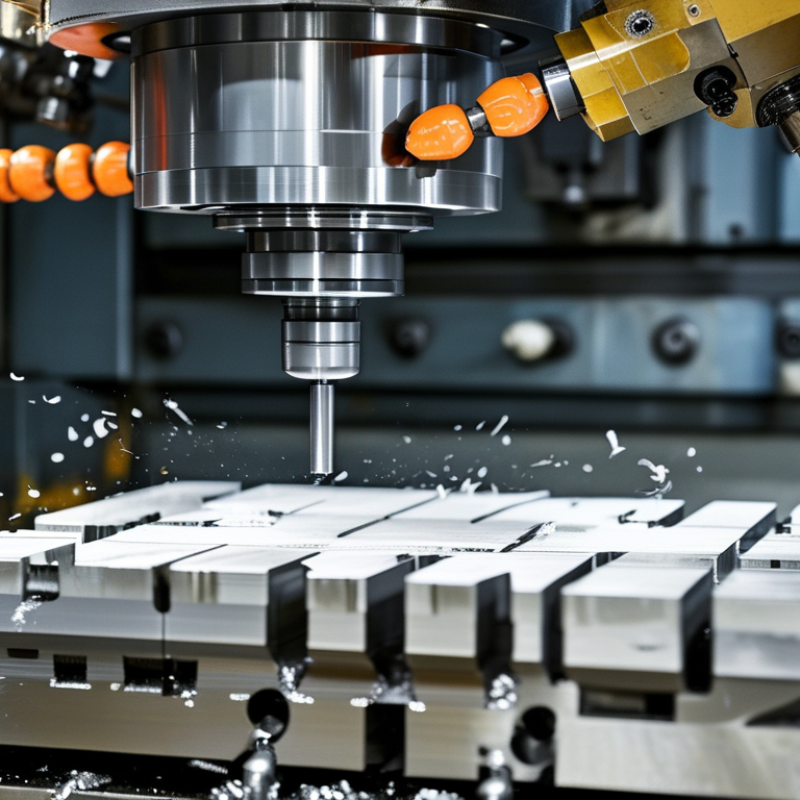
How to Avoid Errors in CNC Machining Processes in 2026?

Understanding Common CNC Machining Errors in 2026

CNC machining is complex. Understanding errors is vital in preventing issues in 2026. Common mistakes include programming errors, tool wear, and misalignment. Each can significantly impact product quality and machine efficiency.

Programming errors often stem from human oversight. A misplaced decimal point can cause serious issues. Tool wear is another frequent problem. Regular checks are essential. Neglecting this can lead to inferior finishes. Misalignment of the workpiece can disrupt the whole process. Checking alignment periodically is crucial for accuracy.

Emphasizing training is critical. Many errors arise from insufficient operator understanding. Investing in skilled personnel enhances precision in machining processes. Regular audits can reveal hidden flaws. It’s important to create a culture of continuous improvement. Addressing errors proactively leads to better outcomes.

How to Avoid Errors in CNC Machining Processes in 2026? - Understanding Common CNC Machining Errors in 2026

Error Type Description Causes Prevention Strategies
Dimensional Tolerance Errors Inaccurate dimensions leading to poor fit and functionality. Machine calibration issues, tool wear, and incorrect setup. Regular calibration and maintenance, using high-quality tools.
Surface Finish Errors Rough or uneven surfaces that affect appearance and performance. Improper cutting speeds, tool choice, or feed rates. Optimize cutting parameters and choose suitable tools for the material.
Tool Breakage Unexpected tool failure during machining. Excessive wear, incorrect tool selection, and improper handling. Regular tool inspections and replacements, training for proper handling.
Alignments Errors Inaccurate alignment causing miscuts or part discrepancies. Improper setup and clearance issues. Use jigs and fixtures for precise alignment; follow proper setup procedures.
Overheating Excessive heat affecting machining quality and tool life. Insufficient coolant flow, high cutting speeds. Ensure adequate coolant is used and adjust feeds and speeds accordingly.

Identifying Root Causes of CNC Machining Mistakes

In CNC machining, errors can significantly impact the final product. Identifying the root causes of these mistakes is essential for improvement. According to a 2023 report by the Association for Manufacturing Technology, nearly 30% of machining errors stem from setup issues. Improper alignment during the initial phases often leads to dimensional inaccuracies. This highlights the need for thorough inspection before commencing production.

Another critical factor is tool wear. A study from the National Institute of Standards and Technology shows that worn tools cause up to 25% of machining defects. Frequent measurements and timely replacements can mitigate this issue. Yet, many operators underestimate the importance of monitoring tool condition regularly. Often, it takes an unexpected defect to prompt a review. Inadequate training can also contribute to errors. Research indicates that 40% of operators feel unprepared to troubleshoot effectively.

Lastly, environmental factors play a role. Temperature shifts and humidity can affect material properties and machine performance. A surprising 15% of manufacturers reported that they did not account for such variables. This oversight can change tolerances dramatically. Addressing these root causes is vital for consistent CNC machining results in 2026 and beyond.

Implementing Quality Control Measures in CNC Processes

CNC machining processes are intricate and prone to errors. Implementing effective quality control measures can significantly reduce these issues. Focus on real-time monitoring to detect anomalies early. Regular checks on machine calibrations are essential for precision. Personnel should be trained in identifying defects to foster a proactive culture.

Tips for Quality Control:

Ensure that tools are frequently inspected for wear. Dull tools lead to poor finishes. Additionally, maintain a clean workspace. Dust and debris can impact machine performance and quality. Documentation of every process can also help in tracing back issues if they arise.

It’s crucial to involve team members in quality improvements. Encourage them to voice concerns about processes. Mistakes happen, and acknowledging them helps in refining operations. Adopting a continuous improvement mindset is vital for long-term success.

Utilizing Advanced Technologies to Minimize Errors

In 2026, CNC machining continues to advance, yet errors remain a concern. Utilizing cutting-edge technologies can significantly reduce these mistakes. A report by the International Journal of Advanced Manufacturing Technology highlights that automated error detection systems can decrease machining defects by over 50%. This indicates that investing in smart technologies pays off.

One effective approach is integrating artificial intelligence (AI) into machining processes. AI algorithms analyze data in real-time, identifying anomalies early. This predictive maintenance reduces downtime and enhances precision. Moreover, utilizing IoT devices allows continuous monitoring of machines, leading to proactive adjustments. A 2023 study suggests that 70% of manufacturers who adopted IoT reported improved accuracy.

Despite these advancements, challenges remain. The adoption rate of these technologies is often slow due to high initial costs and a lack of skilled personnel. Some facilities struggle to implement these systems effectively. Continuous training is essential to maximize the benefits of advanced technologies. Regularly reviewing processes ensures that the latest innovations are utilized efficiently. Embracing change is crucial in minimizing CNC machining errors.

Training and Development for CNC Operators in 2026

Training and development for CNC operators in 2026 is crucial to minimize errors in machining processes. As technology advances, operators need to adapt continuously. Regular training can help them understand new tools and software, crucial for precision work. A well-trained operator can identify potential issues before they escalate.

When designing training programs, it’s essential to include hands-on sessions. Simulated scenarios allow operators to practice their skills in a controlled environment. This type of training can reduce the fear of making mistakes. Operators should also learn the importance of effective communication. Misunderstandings can lead to costly errors.

Track the progress of your training initiatives. Regular assessments help identify knowledge gaps. Feedback should be encouraged from operators about their training experiences. Listen to their insights on what works and what doesn’t. Continuous improvement in training ensures that operators remain skilled and confident in their roles.

FAQS

: What are common causes of CNC machining errors?

: Setup issues account for nearly 30% of errors. Improper alignment can lead to inaccuracy.

How does tool wear affect machining?

Worn tools contribute up to 25% of defects. Regular monitoring is crucial for performance.

What percentage of operators feel unprepared?

About 40% of operators report feeling unprepared to troubleshoot errors effectively.

How do environmental factors influence machining?

Changes in temperature and humidity can alter material properties, affecting precision.

What technologies can reduce CNC errors?

Automated error detection systems can cut defects by over 50%. Investing in technology is beneficial.

How does AI help in CNC machining?

AI analyzes data in real-time. It identifies issues early, allowing for improved maintenance.

What is the role of IoT devices?

IoT enables continuous machine monitoring, allowing proactive adjustments for better accuracy.

Why is training important in CNC machining?

Continuous training helps staff adapt to new technologies, increasing efficiency and reducing errors.

What challenges exist with adopting new technologies?

High initial costs and lack of skilled personnel can slow down adoption and implementation.

Why is it necessary to review machining processes regularly?

Regular reviews ensure the latest methods are used effectively, minimizing errors and maximizing efficiency.

Conclusion

To understand how to avoid errors in CNC machining processes in 2026, it is essential to first identify the common mistakes that occur within these operations. By recognizing these errors, operators can delve into their root causes, which often stem from inaccurate machine settings, operator inexperience, or inadequate maintenance. Addressing these issues is crucial for enhancing the overall efficiency of CNC machining.

Implementing robust quality control measures is another vital step in minimizing errors. This includes regular monitoring and testing of outputs to ensure they meet industry standards. Moreover, the integration of advanced technologies, such as automation and real-time data analytics, can significantly reduce the incidence of mistakes. Lastly, investing in comprehensive training and development programs for CNC operators is imperative in 2026, equipping them with the skills needed to operate machinery effectively and adopt best practices in their work.

Aria

Aria

Aria is a dedicated marketing professional with a deep passion for innovative strategies and a keen understanding of our company's product offerings. With a wealth of experience in the industry, Aria excels at crafting engaging content that highlights the unique features and benefits of our......